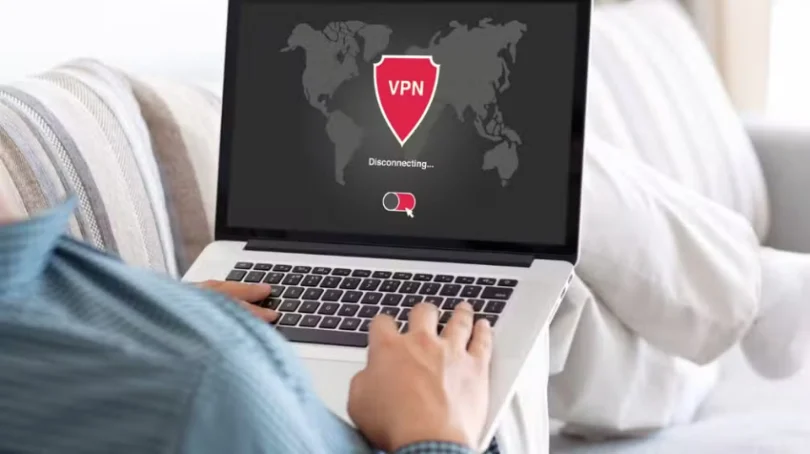
Free virtual private network (VPN) apps promise privacy and security at no cost, but cybersecurity experts now warn that many free VPNs can put users at serious risk. From covert data collection and malware to devices being used in criminal schemes, the “free” label often hides harmful trade-offs that ordinary users can’t easily detect.
Although PTA has issued a list of licensed VPNs in Pakistan that are safe to use and do not compromise your data, it is high time we talk about the dangers of using free/unregistered VPNs.
Decoys vs Legit Providers
For the average user, it is difficult to determine whether a free VPN is a reputable service or a front for malicious activity. App store listings, flashy websites, and fake reviews can make risky products look legitimate, while privacy policies are often vague or misleading.
Security researchers have repeatedly found tracking code and privacy-risking components baked directly into many free VPN apps, code that can leak IPs, track browsing, or forward data to third parties.
“Free” VPNs Often Make You The Product
Many free VPNs monetize by collecting and selling user data, including browsing histories, device identifiers, and other metadata valuable to advertisers. Investigations and expos have shown that numerous free VPN providers either sell user information or embed trackers that undermine the basic privacy promise of a VPN. That means the protection you think you have can be turned into a revenue stream for the provider.
Malware, Spyware, and Other Threats
Studies of VPN apps, especially on mobile, have found alarming rates of malicious or poorly written code. Researchers have documented examples of free VPNs containing malware, spyware, or being used to route other people’s traffic through your device (turning users into unwitting exit nodes).
In several incidents, malicious VPN extensions and apps were removed from official stores only after millions of installs. Using such services can expose banking details, personal photos, and other sensitive data.
Free VPNs Don’t Scale
A sustainable VPN business requires money for servers, maintenance, security audits, and staff. Most legitimate providers earn revenue from subscriptions, while free services must find alternative income streams. Those often include ads, traffic-reselling, aggressive tracking, or limited free tiers that push users toward paid upgrades, all of which explain why “always free” VPNs are more likely to compromise privacy or security to survive.
What to Do
- Avoid unknown, unreviewed free VPN apps. Look for transparent privacy policies, independent audits, and a clear business model.
- Prefer reputable providers (paid or reputable freemium options) that publish no-logs policies and independent audits. Some well-known VPNs offer limited free tiers from organizations with established privacy records.
- If you must use a free option for light browsing, restrict it to non-sensitive tasks and keep important accounts (banking, email, health) off the device or session.
- Keep devices updated, remove suspicious extensions, and use security software to detect malware.
PTA’s List of Licensed VPNs
- Steer Lucid
- Crest VPN
- Kestrel VPN
- Kryptonyme VPN
This list should expand in the future as more companies get their VPNs registered and licensed for use in Pakistan.
PTA’s Decision on PTCL-Telenor Acquisition Expected Within Weeks